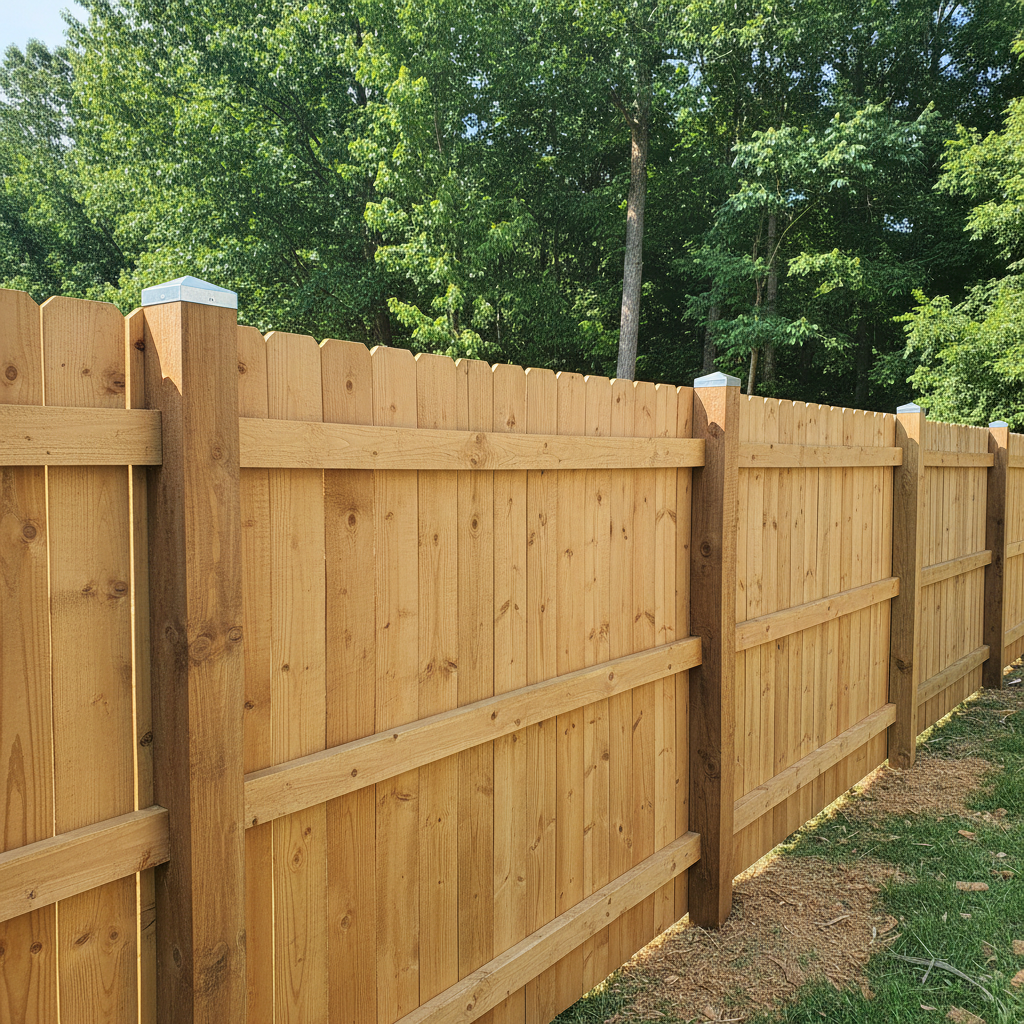
When should I repair my fence versus replace it entirely?
This is probably the number one question I get. Look, nobody wants to spend more money than they have to, right? Generally, if less than 25-30% of your fence is damaged, repair is usually the way to go. We're talking about a few rotted posts, some broken pickets, or maybe a gate that's seen better days. If the damage is localized – say, one section got hit by a falling tree branch – then fixing that section makes perfect sense. You save a bunch of money, and you extend the life of an otherwise good fence.
However, if you've got widespread rot, multiple leaning sections, or the whole thing is just falling apart, replacement is often more cost-effective in the long run. Trying to patch up a fence that's structurally compromised everywhere is like putting a band-aid on a gushing wound. You'll keep throwing money at it, and it'll never really be right. I've seen folks spend more on piecemeal repairs over a few years than they would have on a brand new, solid fence. We'll always give you an honest assessment of what makes the most sense for your situation.
What are the most common fence repair issues you see in Knoxville?
Around here, especially with our humid summers and occasional heavy freezes, wood rot is a big one. Those fence posts, particularly where they meet the ground, just take a beating. We also see a lot of storm damage – high winds can really wreak havoc on panels, and falling limbs are a constant threat, especially in older neighborhoods with big trees like Sequoyah Hills. Beyond that, gates are always a common culprit; hinges get rusty, latches break, and gates can sag over time if they weren't installed properly or if the posts shift.
Another thing we deal with is general wear and tear. Sun exposure fades and cracks wood, and sometimes you just have a few pickets that split or fall off. Animals, both wild and domestic, can also cause damage, chewing through boards or digging under the fence. It's a mix, but rot, storm damage, and gate issues are definitely at the top of the list.
How long does a typical fence repair take?
That really depends on the extent of the damage. A simple picket replacement or a minor gate adjustment might only take an hour or two. If we're replacing several posts and a section or two of fencing, that could be a half-day to a full day's work. For more extensive repairs, where we're talking about multiple sections or significant structural work, it might stretch into a couple of days. We always try to give you a clear timeline upfront once we've assessed the job. The goal is to get it done right and get it done efficiently, without dragging it out.
Can I just fix it myself, or should I call a professional?
For small stuff, absolutely, go for it! If it's just a loose picket or a simple gate latch, and you're handy with tools, you can probably tackle it. You might save a few bucks on labor. But here's the thing: fence repair isn't always as straightforward as it looks. Replacing a rotted post, for example, requires digging a new hole, setting the post correctly with concrete, and making sure it's plumb and aligned with the rest of the fence. If you don't do that right, you'll have a wobbly post, and the problem will just come back.
When you're dealing with structural issues, multiple damaged sections, or if you're not comfortable with power tools and heavy lifting, calling in a pro like Family Fencing is usually the smarter move. We've got the right tools, the experience, and we know how to make sure the repair lasts. Plus, we're insured, so you don't have to worry if something goes wrong.
What kind of maintenance can I do to prevent future fence repairs?
Maintenance is key to making your fence last. For wood fences, staining or sealing it every few years is huge. It protects against moisture, UV rays, and helps prevent rot and warping. Keep an eye on the base of your posts – make sure soil isn't constantly piled up against them, holding moisture. Good drainage around the fence line is critical, especially with our clay soils here in East Tennessee, which can hold a lot of water.
Trim back any trees or bushes that are rubbing against the fence or dropping heavy limbs on it. Check your gate hinges and latches periodically, keep them lubricated, and tighten any loose screws. Just a quick walk-around your fence once or twice a year can help you spot small issues before they become big, expensive problems.
How much does fence repair typically cost?
This is the million-dollar question, and honestly, there's no single answer without seeing the job. It depends on the type of fence (wood, vinyl, chain link), the extent of the damage, the materials needed, and the labor involved. A few broken pickets might be a couple hundred bucks. Replacing several rotted posts and a section of wood fence could be anywhere from $500 to $1,500 or more, depending on the fence height and materials. Extensive storm damage can obviously run higher.
What I can tell you is that we always provide a clear, detailed estimate before we start any work. We'll break down the costs so you know exactly what you're paying for. Don't just go with the cheapest bid without understanding what's included. Sometimes, a slightly higher price means better materials, more thorough work, and a repair that actually lasts.