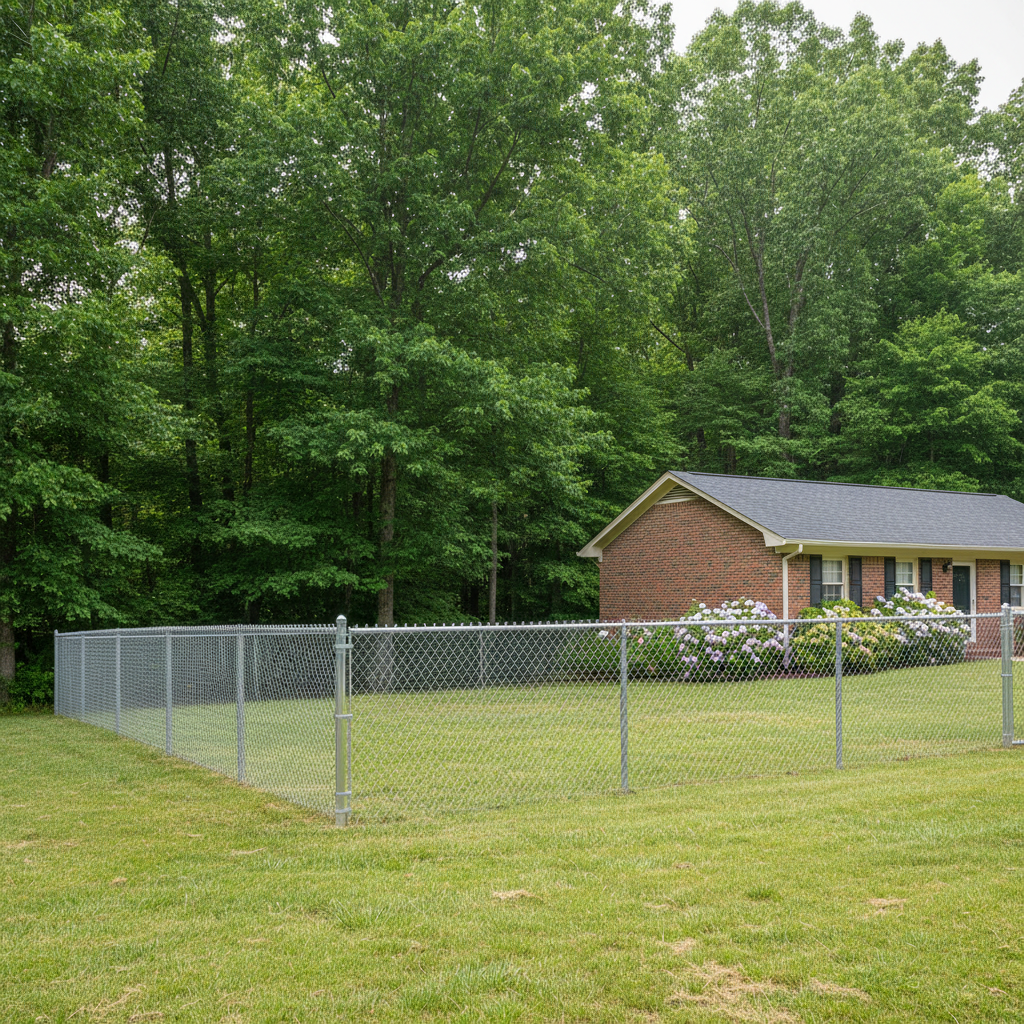
When's the best time to put up a chain link fence around your yard? That's a question I get a lot, and honestly, there's no single 'perfect' day. But some times are definitely better than others, especially with our Knoxville weather. You want your fence to last, right? So let's talk about how the seasons here in East Tennessee affect chain link installation, and what you can do to keep it looking good for years.
When to Schedule Your Chain Link Fence Installation
You might think winter's a bad time because it's cold, but sometimes it's actually ideal for certain parts of the job. The ground's usually firmer, which can be a plus for digging post holes. What you really want to avoid are the extremes.
- Spring (March-May): This is a popular time, and for good reason. The ground's thawed, but it's not usually rock-hard or completely waterlogged yet. You'll get some rain, sure, but it's often manageable. The biggest challenge? Everyone else wants their fence installed then too, so lead times can get longer. If you're thinking spring, give us a call at Family Fencing early to get on the schedule.
- Summer (June-August): We can definitely install chain link in the summer, but it comes with its own set of challenges. Those scorching July and August days in Knoxville? They're brutal for the crew. Plus, if we hit a dry spell, that red clay soil we have around here can turn into concrete. It makes digging tough, slows things down, and can even wear out equipment faster. We'll still get it done, but it might take a bit more effort.
- Fall (September-November): This is often my personal favorite for installations. The temperatures are usually perfect – not too hot, not too cold. The ground is typically workable, and you don't have the crazy spring rush. It's a sweet spot before the real winter weather sets in.
- Winter (December-February): Don't count winter out entirely. If we have a mild winter, it can be a great time. The ground is often firm, and you might find it easier to get on the schedule. The big issue is frozen ground. If it's been below freezing for days or we've had a lot of snow and ice, digging post holes becomes a nightmare. We're talking jackhammers instead of augers, and that adds time and cost. We'll always keep you updated on weather delays if you've got a winter install planned.
Weather Conditions That Affect the Work
Beyond just the season, specific weather conditions can really impact a chain link fence installation. Rain, for instance. A light drizzle? No big deal. A downpour? We're usually going to pause. Digging holes that fill with water instantly isn't efficient, and working with heavy equipment in muddy conditions isn't safe. High winds can also be a problem, especially when stretching the chain link mesh. It's like trying to wrestle a giant sail. We prioritize safety and a quality install, so sometimes that means waiting for better weather.
Temperature also plays a role. Extreme heat leads to fatigue for the crew, and extreme cold can make materials brittle and difficult to work with. We're used to working in all kinds of weather here in Knoxville, but there are limits to what's practical and safe for a good outcome.
Protecting Your Chain Link Investment Year-Round
Once your chain link fence is up, you'll want to keep it in good shape. It's a low-maintenance option, but 'low' doesn't mean 'no' maintenance.
- Regular Inspections: Just walk the fence line a few times a year. Look for anything out of the ordinary. Is a post cap missing? Is the mesh starting to sag anywhere? Did a tree branch fall on it during a storm? Catching small issues early prevents them from becoming big, expensive problems.
- Clear Debris: Keep vegetation cleared away from the fence line. Vines can grow through the mesh and pull it out of shape over time. Leaves and other debris can collect at the bottom, holding moisture against the metal and potentially leading to rust, especially if you have an older galvanized fence.
- Check Gates: Gates get the most use, so they're often the first place you'll see wear. Make sure hinges are secure and operating smoothly. Latch mechanisms can sometimes get sticky or misaligned. A little lubrication on hinges can go a long way.
- Address Rust (if applicable): Most modern chain link fences are galvanized or vinyl-coated, which makes them very resistant to rust. But if you have an older fence or a spot where the coating has been damaged, you might see some surface rust. You can often clean it off with a wire brush and apply a rust-inhibiting primer and paint to protect the area.
- Snow and Ice: Our winters here aren't usually brutal, but we do get ice storms. Heavy ice accumulation on the fence can add significant weight. While chain link is tough, it's a good idea to gently clear heavy snow or ice from the top rail if it's really piling up, just to relieve some stress.
A chain link fence is a solid, practical choice for a lot of Knoxville homeowners. With a little planning for installation and some basic year-round care, you'll have a secure boundary that serves you well for decades. If you've got questions about timing your project or what kind of chain link is right for your property, give us a call. We're always happy to talk fences.