Is chain link really a good option, or is it just for commercial properties?
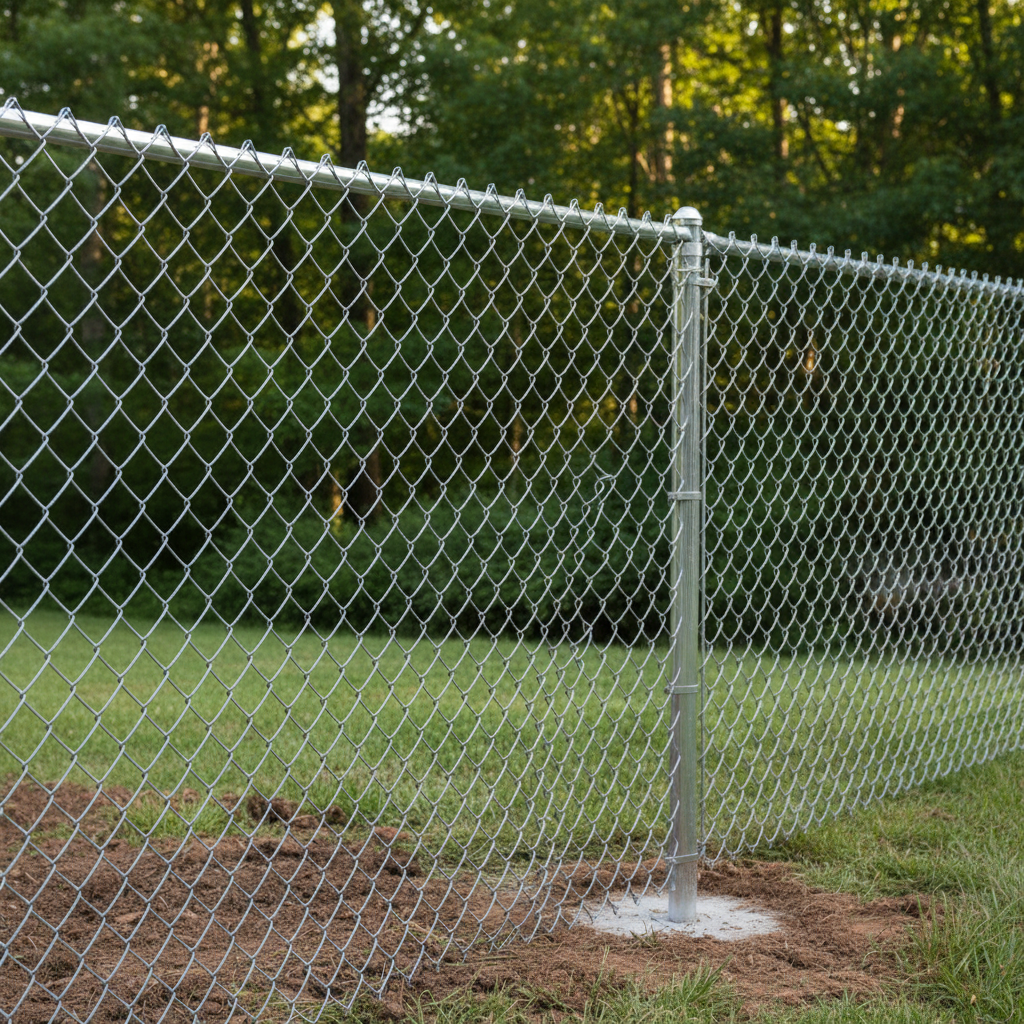
Let's be real, when most folks think 'chain link,' they picture a schoolyard or a baseball field. But that's not the whole story anymore. Chain link has come a long way, and it's a seriously practical choice for a lot of Knoxville homeowners. It’s affordable, durable, and doesn't need much upkeep. If you've got pets, especially active dogs, it's fantastic for keeping them safely in the yard. It also works great for marking property lines without blocking your view, which can be a big deal if you've got a nice mountain vista or want to keep an eye on the kids playing. Plus, with vinyl-coated options, you can get it in black or green. That blends into the landscape a lot better than the old galvanized silver, don't you think? It’s not just for commercial properties anymore; it’s a smart, budget-friendly solution for residential needs too.
How long does a chain link fence typically last around here?
A well-installed chain link fence, especially a galvanized one, can last a really long time. We're talking 15 to 20 years, easily. If you go for the vinyl-coated stuff, you might even get more out of it, sometimes 25 years or longer. That coating adds an extra layer of protection against the elements, you see. Our Knoxville weather, with its humid summers and occasional ice storms, can be tough on materials, but chain link handles it like a champ. The key is proper installation – making sure the posts are set deep enough with good concrete and that the tension is just right. That prevents sagging and keeps it sturdy for decades.
What's the deal with different heights and gauges? Which one do I need?
This is where it gets a little technical, but it's important. 'Height' is pretty straightforward – how tall you want it. Common residential heights are 4, 5, or 6 feet. If you've got a small dog or just want to mark a boundary, 4 feet might be fine. For bigger dogs or more security, 5 or 6 feet is usually better. 'Gauge' refers to the thickness of the wire. The lower the gauge number, the thicker and stronger the wire. So, 9-gauge wire is thicker and more durable than 11.5-gauge. For most homes, I recommend 9-gauge. It’s stout enough to withstand impacts and general wear and tear. If you're just putting up a temporary boundary or have a very small, calm pet, you might get away with a lighter gauge, but for long-term peace of mind, stick with 9-gauge. It’s a small upgrade in cost for a big upgrade in how long it lasts and how strong it is.
Can I install a chain link fence myself, or should I hire a pro?
Look, I'm a contractor, so you might think I'm biased, but I'll give it to you straight: you *can* install a chain link fence yourself. There are plenty of DIY guides out there. However, it's a lot more work than most people realize, and there are a lot of little details that make a big difference in how it looks and how long it lasts. Digging all those post holes, especially if you hit some of that hard red clay we've got around Knoxville, is a beast. Getting the posts perfectly straight and aligned, mixing and pouring concrete, stretching the mesh just right so it's taut but not overstressed – it all takes specific tools, experience, and a lot of elbow grease. If you're handy and have the time and patience, go for it. But if you want it done right, looking clean, and standing strong for decades without you breaking your back, hiring a professional like us at Family Fencing is usually the smarter move. We've got the equipment and the know-how to get it done efficiently and correctly.
What kind of maintenance does a chain link fence require?
This is one of the best parts about chain link: it hardly needs any maintenance. For galvanized fences, you really don't have to do much at all. Maybe hose it down if it gets really dirty, but that's about it. For vinyl-coated fences, the same applies – a quick spray with the hose if it starts looking dingy. You might want to check the tension bands and gate hinges every few years to make sure nothing's come loose, but serious issues are rare. Unlike wood fences that need staining or painting every few years, or iron fences that can rust and need touch-ups, chain link just sits there, doing its job, without asking for much in return. It’s practically set it and forget it.
Will a chain link fence affect my property value?
This is a common question, and the answer isn't a simple yes or no. A well-maintained, properly installed chain link fence won't necessarily *increase* your property value in the same way a beautiful privacy fence might. However, a poorly installed or dilapidated fence of *any* type can absolutely detract from your home's curb appeal and value. A neat, functional chain link fence, especially a vinyl-coated one, can be seen as a positive by potential buyers, particularly those with pets or young children, because it provides a safe, contained yard. It shows you've taken care of your property and made it functional. It's more about providing a practical solution and not being an eyesore than it is about adding a premium aesthetic. Think of it as a solid, reliable utility feature.
Are there any local regulations or permits I need to know about for chain link fences in Knoxville?
Absolutely. This is super important. Before you even start planning, you need to check with the City of Knoxville's Codes Administration or your specific county (Knox County, Blount County, etc., depending on where you live). There are usually rules about fence height, how close you can build to property lines, and sometimes even material restrictions in certain historic districts or HOAs. You might need a permit, especially for fences over a certain height or if you're building near a public right-of-way. Neglecting this step can lead to fines, having to tear down your fence, or even legal disputes with neighbors. It’s always best to get the proper permits and understand the local zoning ordinances upfront. We always make sure to help our clients navigate these requirements, so you don't have to worry about it.